 11
11
There is a daring audacity in taking the raw, open wounds of recent geopolitical history and using them as the canvas for a supernatural horror thriller. It is a tightrope walk of tone and taste, but the filmmakers behind Hide Me navigate it with a masterful, pulse-pounding grace. Blending the terrifying realities of global conflict with the visceral thrills of demonic horror, this ambitious international production elevates the genre, delivering a profoundly unsettling meditation on faith, grief, and the enduring power of vengeance. What truly sets Hide Me apart from contemporary horror cinema is its unparalleled originality. It boldly defies categorization, creating a completely new subgenre that marries international political tragedy with gothic supernaturalism, resulting in an experience that is as intellectually stimulating as it is terrifyingly visceral.
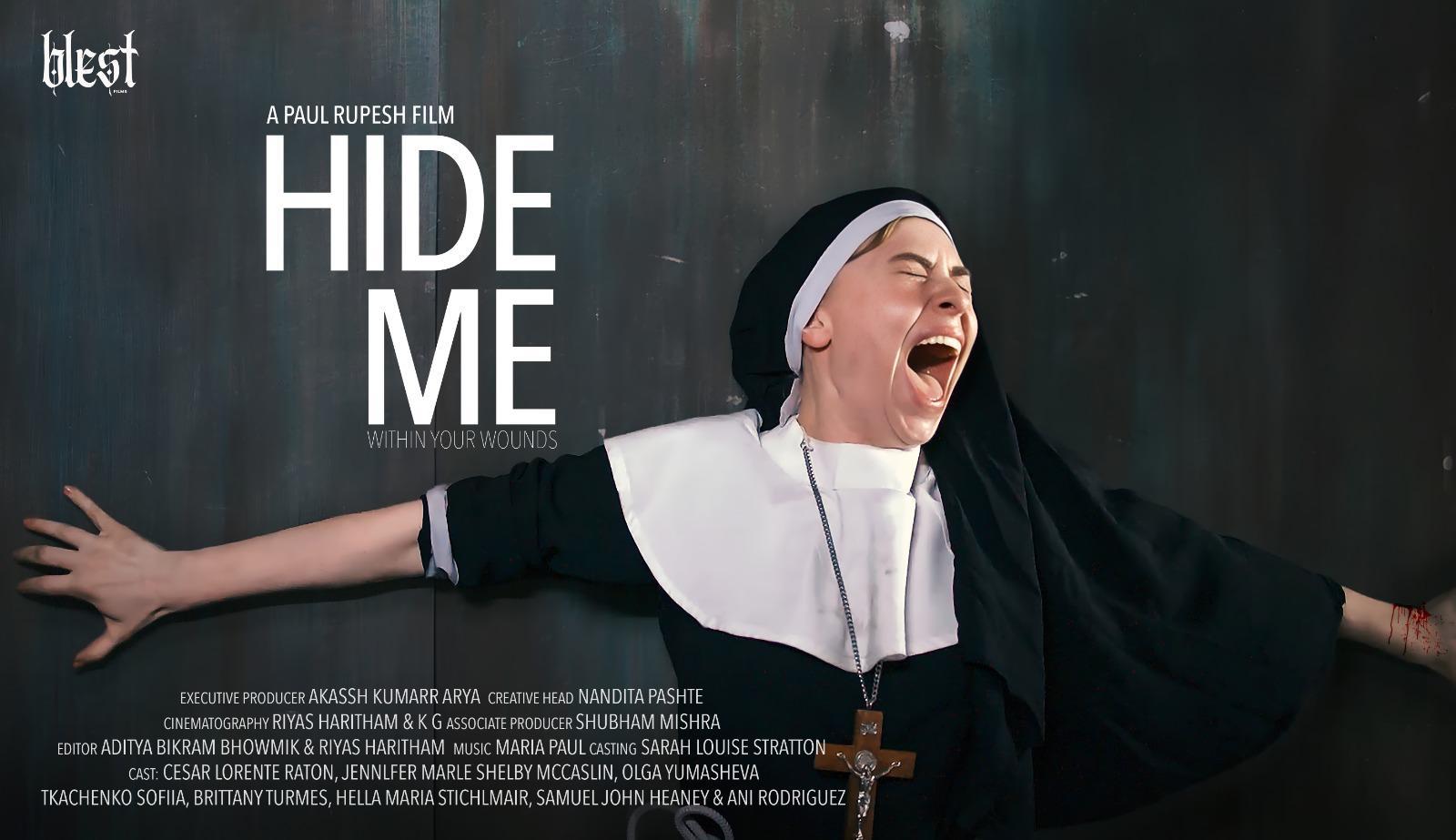
Set against the stark, unforgiving beauty of the Hindu Kush mountains, the film opens on the very night American troops withdraw from Afghanistan. A remote Catholic convent, previously a serene sanctuary of faith, is suddenly and brutally overrun by Taliban militants. The ensuing massacre of the resident nuns is initially written off by the global community as a tragic casualty of a region descending into chaos. But Hide Me is not a conventional war drama. Through the eyes of the grieving Sister Agnes, who refuses to accept the official narrative surrounding the horrific death of her cousin, Sister Sophie, the film peels back the layers of a far more sinister reality.
The screenplay is an absolute masterclass in narrative subversion and structural brilliance. The writing balances intricate mythology with deeply human emotional stakes, ensuring that every plot twist feels both shocking and inevitably earned. What begins as a tense, ripped-from-the-headlines political thriller slowly and seamlessly metamorphoses into a chilling battle against ancient evil. Agnes’s relentless investigation reveals that the Taliban raid was merely a smokescreen orchestrated by Eduardo, an enigmatic figure who infiltrated the convent as a humble janitor and yoga instructor. Eduardo’s true allegiance lies with a dark, demonic mistress, and his goal is the extraction of a sacred vessel hidden deep within the convent’s walls. The dialogue crackles with philosophical weight, elevating the genre trappings into a profound exploration of existential dread.

The filmmaking on display is remarkably assured and visionary. The director orchestrates the escalating dread with the precision of a seasoned maestro, demonstrating an exceptional command over pacing and visual storytelling. Every camera angle and lighting choice serves a distinct psychological purpose, ensuring that the transition from earthly violence to supernatural terror feels earned rather than exploitative. The production design and practical effects work in perfect harmony, creating a lived-in, tactile world that makes the eventual descent into madness all the more frightening. The film’s thematic relevance is perhaps its greatest strength; it uses the real-world horrors of geopolitical abandonment as a potent metaphor for spiritual vulnerability. It asks haunting questions about where true evil resides, in the violent actions of men, or in the ancient, unseen forces that manipulate them.
Visually, Hide Me is a triumph. The cinematography is breathtakingly bleak, capturing the snow-swept isolation of the high-altitude convent with sweeping, claustrophobic grandeur. The stark white of the snow-covered peaks provides a chilling contrast to the shadowy, blood-stained corridors of the sanctuary. The camera moves with a predatory grace, utilizing the labyrinthine architecture of the convent to maximize the tension. This visual feast is perfectly complemented by a haunting, bone-rattling musical score. The music swells with dissonant, choral arrangements that sound almost like the corrupted hymns of the fallen nuns, wrapping the audience in a suffocating auditory blanket of dread.
Grounding the supernatural spectacle is a phenomenal, fiercely committed international cast. The ensemble brings a vital authenticity to the convent’s diverse sisterhood, making the tragic first act resonate with genuine emotional weight. The actress portraying Sister Agnes anchors the film with a powerhouse performance of righteous fury and fragile faith, while the turn as Eduardo is a masterstroke of understated villainy, charming, manipulative, and ultimately terrifying.
The film’s climax, a jaw-dropping supernatural reckoning where the surviving women unite with the restless, vengeful spirits of their murdered sisters, is a cathartic explosion of horror action. It is an epic, satisfying payoff that pays homage to classic possession and ghost films while forging its own unique, culturally resonant identity.
In a cinematic landscape often crowded with formulaic jump-scares and predictable tropes, Hide Me is a rare breed of thriller. It is intelligent, fiercely relevant, and technically superb. It stands as a towering achievement in modern genre filmmaking, a haunting reminder that while the darkness of the world is vast, the light of the human, and supernatural, spirit is not so easily extinguished.
Venue: Premiering at various international film festivals
Genre: Horror / Thriller
Running time: 114 minutes