 11
11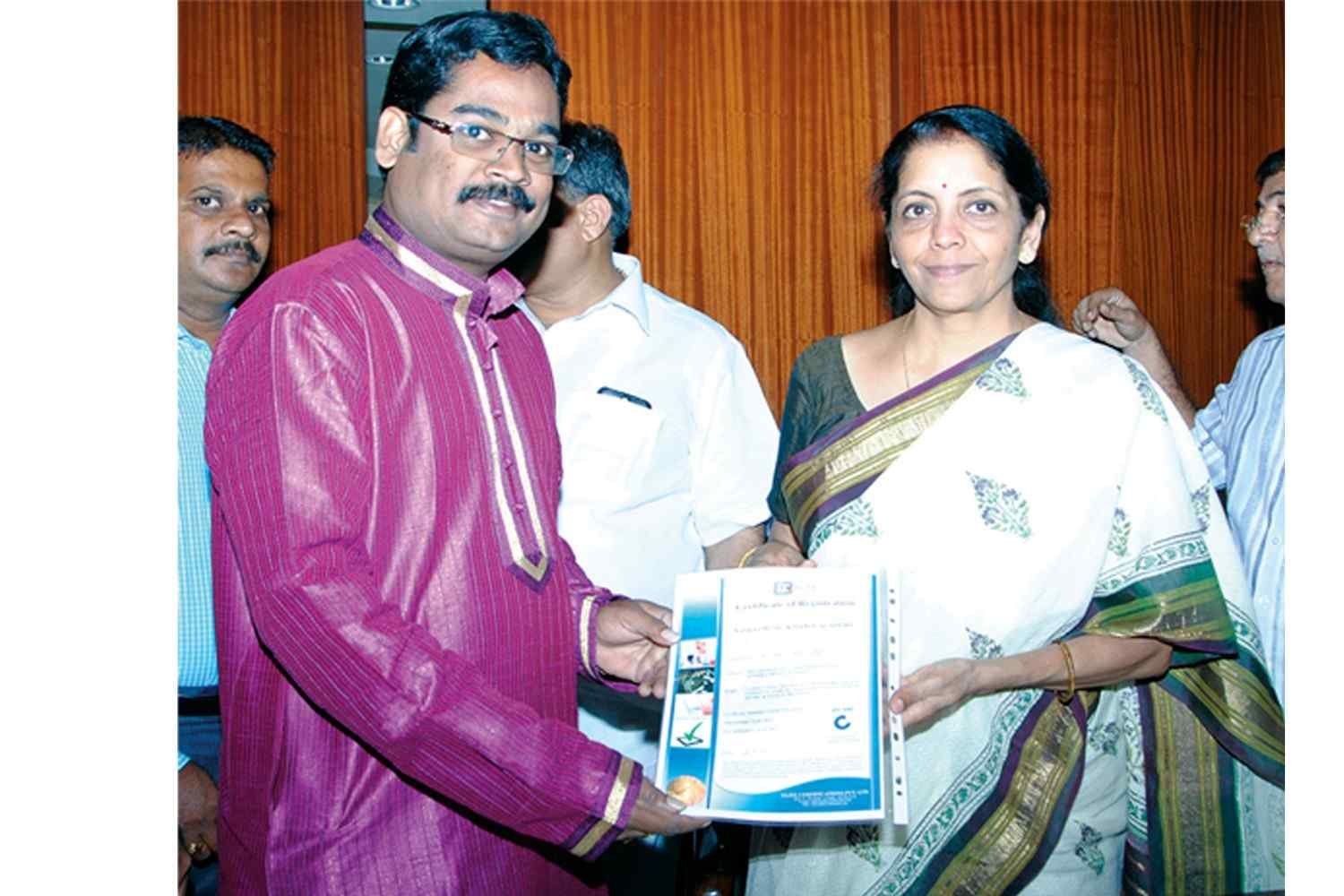
Indian classical arts have long served as a bridge between India’s history, spirituality, literature and contemporary cultural identity. In an era of rapid digitisation and changing entertainment preferences, keeping these traditions alive requires more than stage performances. It requires education, research, documentation, institutions, festivals and sustained efforts to connect established masters with future generations.
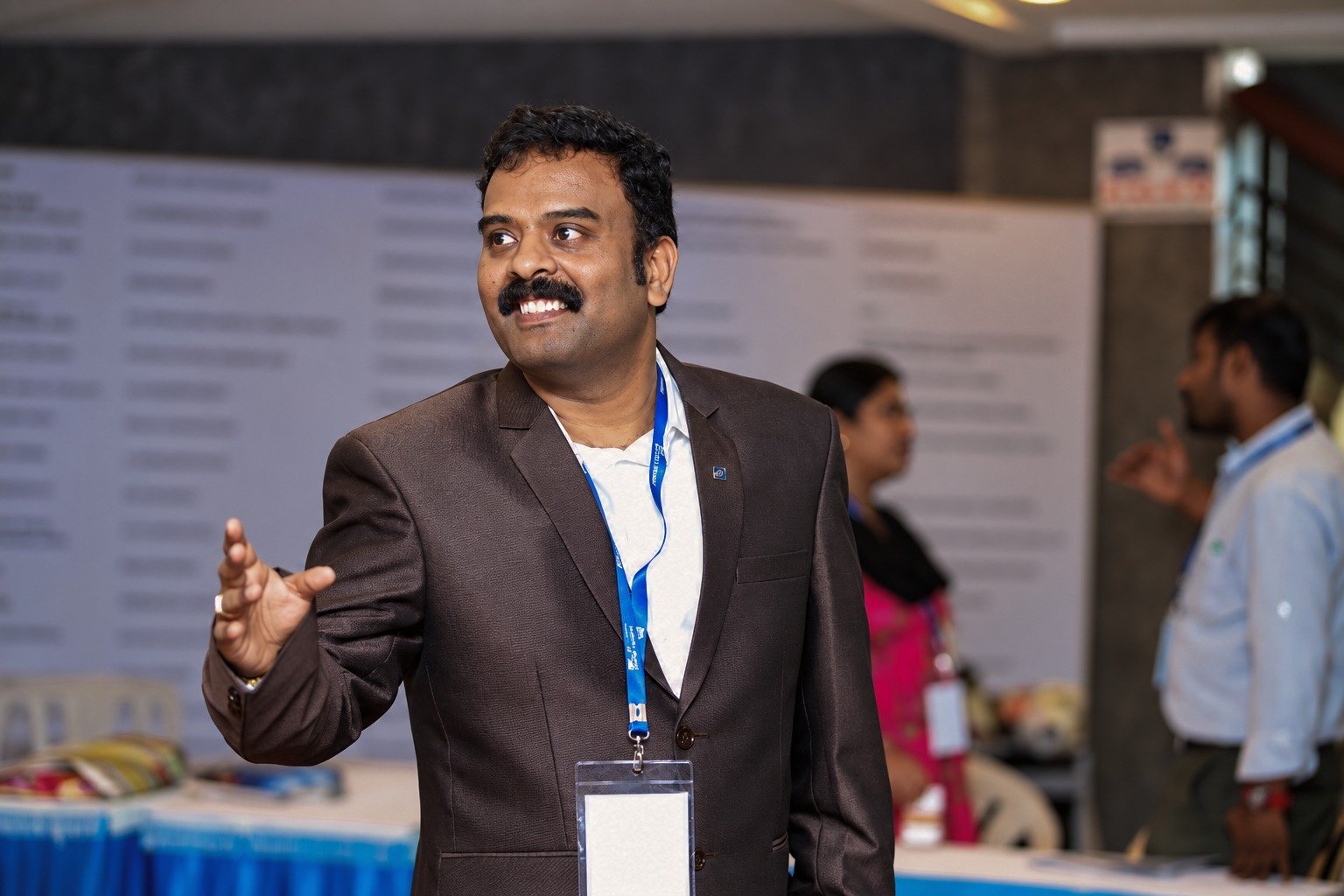
One cultural personality who has worked across these different dimensions is Vikram Kumar B R, also known in artistic circles as Bathina Vikram Goud. A Kuchipudi artiste, choreographer, theatre personality, cultural organiser, editor and institution builder, Vikram Kumar has devoted a significant part of his professional journey to the promotion and preservation of Indian classical performing arts.
His work has developed across several interconnected areas. While his foundation remains rooted in Kuchipudi, his contribution has expanded into theatre, dance education, cultural festivals, publications, research and institutional development.
Vikram Kumar’s interest in the arts developed during childhood, with continuous encouragement from his father. He subsequently chose to strengthen his artistic abilities through formal education and pursued a Master of Arts in Kuchipudi at Andhra University, completing the programme with distinction.
His association with Andhra University became an important part of his development as both an artiste and an academic contributor. During his time at the university, he played a significant role in establishing the Department of Dance, reflecting an early understanding that the long-term survival of classical arts depends on structured education as much as performance.
His academic interests also extended into research. During his Master’s studies, he undertook an in-depth investigation into Siva Thandavam and Saptha Thandavam within the Kuchipudi tradition. His dissertation also examined the subject in comparison with the literary works of noted poet Puttaparthi Narayanacharyulu. According to the profile provided for his work, the dissertation received 100 percent approval from Andhra University.
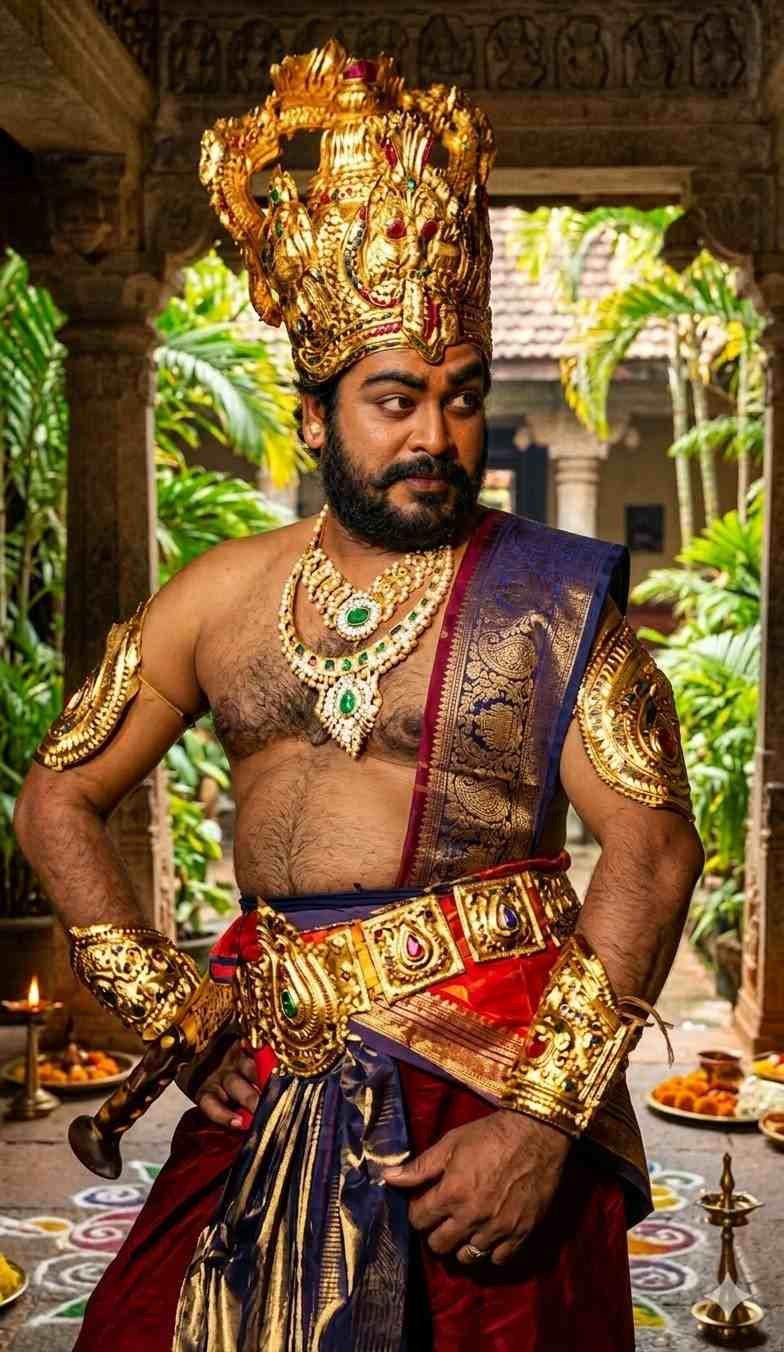
Rather than restricting himself to individual performances, Vikram Kumar gradually expanded into large-scale thematic productions, choreography and narrative ballet.
One of his notable works is Chenchu Lakshmi Narasimha Kalyanam, an experimental thematic ballet based on the history and traditions associated with Lord Narasimha of Simhachalam. The production combined elements of Kuchipudi with traditional folk forms and, according to the supplied profile, has been staged at more than 150 venues across India.
His creative portfolio also includes Swachh Ganga – Swachh Bharat, inspired by Bhagiratha Vilasam. Through classical dance storytelling, the production addressed contemporary concerns such as clean water and environmental responsibility.
Other productions associated with his creative work include Maha Visakha Vaibhavam, Sri Krishna Leelalu, Society for Future and Youth Never Sleeps, demonstrating his interest in combining mythological narratives with contemporary social themes.
Vikram Kumar also developed a substantial association with theatre. He completed Diplomas in Acting and Direction at Andhra University and was actively involved with the university’s Department of Theatre Arts for around a decade.
During this period, he participated in mythological, social and philosophical plays, developing experience both as an actor and director. His theatrical work also received visibility during important university occasions, including official visits by former President of India Dr. A.P.J. Abdul Kalam, as well as UGC and NAAC inspection visits.
A major milestone in his cultural journey came in 2000, when Vikram Kumar founded the Nataraj Music and Dance Academy (NMDA).
The academy was established with a broader cultural-service objective rather than functioning simply as a dance school. Its stated mission includes nurturing artists, promoting Indian classical and folk traditions, and creating opportunities for artistic development.
The academy identifies Bathina Vikram Goud as its Founder and President and states that it provides education in Kuchipudi, Indian folk traditions, Indian classical music and instrumental music. It also highlights its work in organising dance festivals involving artists from different parts of India and abroad.
NMDA subsequently achieved ISO 9001:2008 certification and membership of the International Dance Council at UNESCO, adding an institutional dimension to its cultural activities.
Vikram Kumar’s cultural work has also focused heavily on festivals and platforms that provide performance opportunities.
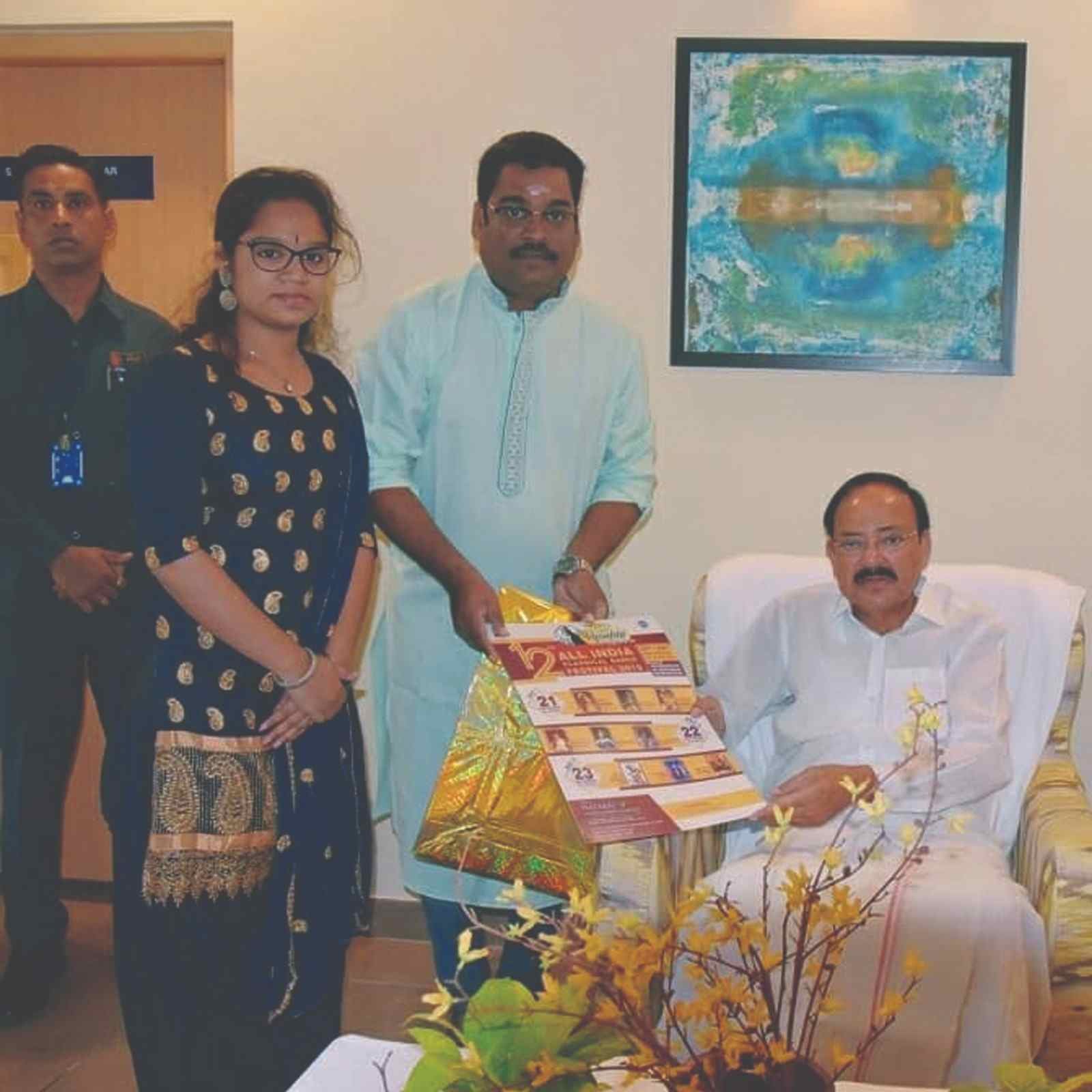
Among these initiatives is the Vysakhi Nrithyotsav, which has developed into an All India classical dance festival. Independent documentation of the festival shows that it has brought together performers representing forms including Kuchipudi, Bharatanatyam, Manipuri, Kathak, Andhra Natyam, Mohiniyattam and Odissi, while also giving opportunities to local talent.
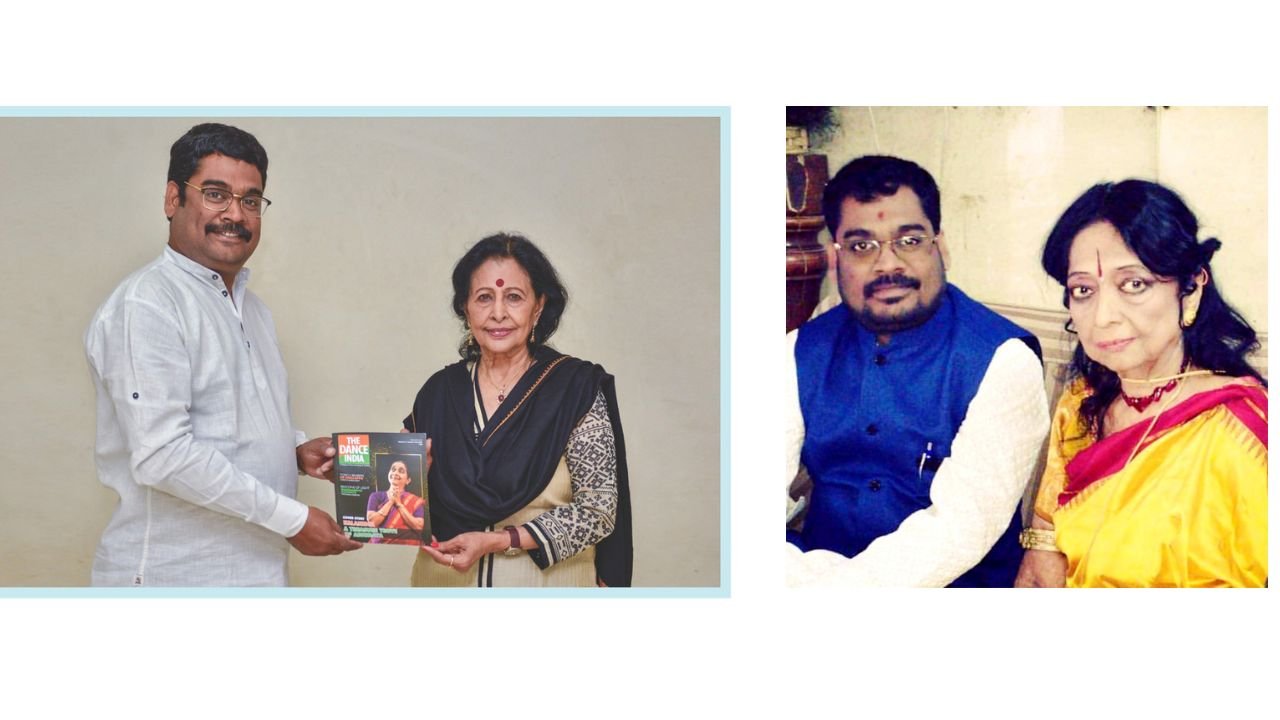
His festival activities have also extended to the Amaravati Nrithyotsav, organised by NMDA, where established names from Indian classical dance shared the stage with other performers. A 2015 report, for example, records performances by Padma Bhushan awardee Saroja Vaidyanathan and other prominent artistes, with Vikram Goud presiding over the festival.
In 2012, Bathina Vikram Goud was also recognised with an IDC Award of Excellence for dance promotion, according to contemporary dance-sector reports.
For Vikram Kumar, the preservation of Indian classical arts extends beyond teaching traditional movements. It also involves protecting the knowledge surrounding those traditions—repertoire, literature, choreography, music, gurus, performers, performance practices and historical records.
This approach has become increasingly important in the digital era, when artistic material can be copied and redistributed within seconds. Questions surrounding attribution, copyright, documentation and responsible access therefore form an important part of the broader preservation conversation.
His work reflects a belief that cultural preservation requires both protection and propagation. Traditions need to be protected from distortion and uncredited appropriation, but authentic knowledge must also remain accessible to students, researchers, teachers and future practitioners.
From his early academic work and Kuchipudi performances to theatre, institution building and national dance festivals, Vikram Kumar B R’s career represents an attempt to create a sustainable environment for Indian classical arts.
His larger contribution lies not simply in presenting performances, but in helping build the cultural infrastructure through which artists can learn, perform, document, collaborate and pass their knowledge to future generations.